
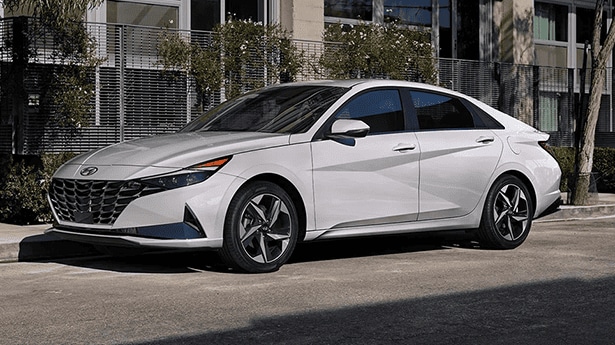
The 2026 Hyundai Elantra Hybrid saves drivers significant money at the pump by achieving an EPA-estimated 54 mpg combined on the Blue trim and 50 mpg combined on the SEL Sport and Limited trims. Compared to a typical sedan averaging 25 mpg, driving 15,000 miles per year reduces fuel expenses by approximately $1,128 annually at $3.50 per gallon. Against a standard non-hybrid compact car getting 34 mpg combined, fuel consumption drops by roughly 30% to 35%, delivering over $400 in yearly savings.
Calculating long-term fuel economy starts with understanding how efficiency changes across daily commuting routes. For drivers traveling daily along I-271 from Bedford into surrounding employment centers, fuel stops can quickly become a recurring line item in the family budget. The hybrid powertrain is specifically engineered to minimize gasoline usage during heavy stop-and-go driving, where traditional combustion engines burn the most fuel.
Beyond raw mileage figures, reduced gasoline consumption translates directly to fewer interruptions during busy work weeks. An efficient sedan allows drivers to focus on daily priorities rather than constantly monitoring the fuel gauge. Our team at Hyundai of Bedford is always ready to walk you through real-world cost comparisons. You can easily find our dealership directions on Rockside Road or give us a call at (440) 745-7476 to discuss current availability.
What Are the Official EPA Fuel Economy Ratings Across 2026 Elantra Hybrid Trims?
EPA ratings show the 2026 Hyundai Elantra Hybrid Blue trim achieves 51 mpg city, 58 mpg highway, and 54 mpg combined, highlighting its efficiency. Upgrading to the feature-packed SEL Sport or Limited trims adjusts those figures slightly to 49 mpg city, 52 mpg highway, and 50 mpg combined due to larger wheel fitments and added equipment weights.
| 2026 Elantra Hybrid Trim | EPA City MPG | EPA Highway MPG | EPA Combined MPG | Estimated Single-Tank Range |
|---|---|---|---|---|
| Blue | 51 mpg city | 58 mpg highway | 54 mpg combined | Up to nearly 600 miles |
| SEL Sport | 49 mpg city | 52 mpg highway | 50 mpg combined | Up to 550 miles |
| Limited | 49 mpg city | 52 mpg highway | 50 mpg combined | Up to 550 miles |
The Blue trim maximizes fuel efficiency through aerodynamic optimization, lighter curb weight, and 16-inch alloy wheels. These design choices allow the vehicle to squeeze maximum distance out of every drop of gasoline. The SEL Sport and Limited trims introduce 17-inch alloy wheels, upgraded cabin appointments, and additional convenience technology while still remaining among the most efficient vehicles on the road today.
Every hybrid trim includes an 11-gallon fuel tank. Combined with the Blue trim's 54 mpg combined efficiency, drivers can travel up to nearly 600 miles on a single tank under optimal conditions. That means fewer morning detours to gas stations during tight schedules. If you are comparing new and pre-owned options, you can also explore our pre-owned vehicle inventory to evaluate efficiency across model years.
How Do Annual Gas Savings Compare Between a 25 MPG Sedan and the 54 MPG Elantra Hybrid?
A commuter driving 15,000 miles per year in an older 25 mpg sedan burns 600 gallons of gas annually, costing $2,100 when fuel prices average $3.50 per gallon. In contrast, driving the 54 mpg combined 2026 Hyundai Elantra Hybrid Blue requires only 278 gallons over the same distance, costing roughly $972 per year and delivering an annual savings of $1,128.
| Annual Mileage | 25 MPG Sedan Cost ($3.50/gal) | 34 MPG Non-Hybrid Elantra Cost ($3.50/gal) | 54 MPG Elantra Hybrid Blue Cost ($3.50/gal) | Annual Savings vs 25 MPG Vehicle |
|---|---|---|---|---|
| 10,000 Miles | $1,400 | $1,029 | $648 | $752 |
| 12,000 Miles | $1,680 | $1,235 | $778 | $902 |
| 15,000 Miles | $2,100 | $1,544 | $972 | $1,128 |
| 20,000 Miles | $2,800 | $2,059 | $1,296 | $1,504 |
Traffic conditions along major corridors into Cleveland often involve frequent deceleration and accelerating. Electric motors assist heavily during low-speed maneuvers, allowing the gasoline engine to rest when conventional vehicles consume the most fuel. Commuters who visit our showroom for a first look usually ask how stop-and-go beltway traffic impacts real-world efficiency before they take a test drive. The urban stop-and-go cycle plays directly to the strengths of the hybrid system.
Over a standard five-year vehicle ownership period, accumulating 15,000 annual miles yields total fuel savings exceeding $5,600 compared to a 25 mpg vehicle. Even compared to a modern non-hybrid compact car getting 34 mpg combined, the hybrid driver saves more than $2,800 in fuel over five years. Shoppers looking for inspected pre-owned models backed by rigorous standards can also browse our certified pre-owned inventory.
What Is the Payback Period for the 2026 Elantra Hybrid Price Premium?
The expected payback period to recover the estimated $2,500 trim price premium of the 2026 Hyundai Elantra Hybrid over a comparable non-hybrid gas trim is under three years for a driver logging 15,000 miles per year. With annual gas savings ranging from $900 to more than $1,100, the efficiency gains quickly offset the initial cost difference.
Beyond fuel pump savings, hybrid ownership provides secondary financial advantages that reduce overall operating costs:
- Reduced Brake Pad Wear: The electric motor handles a significant portion of initial deceleration through regenerative braking, dramatically reducing friction and physical wear on brake pads and rotors.
- Extended Engine Components: Because the gasoline engine turns off during low-speed cruising and coasting, internal engine components accumulate fewer operating stress hours over the life of the car.
- Strong Resale Value Protection: High-efficiency vehicles maintain strong demand in the pre-owned market, helping protect your vehicle investment over time.
Long-term confidence is further reinforced by Hyundai’s industry-leading warranty coverage. Every new model comes backed by a 10-year/100,000-mile powertrain warranty, which includes coverage for the hybrid high-voltage battery. That long-term protection ensures that efficiency savings continue long after the price premium has been paid off.
What Powertrain and Tech Drive the 2026 Hyundai Elantra Hybrid Efficiency?
The 2026 Hyundai Elantra Hybrid is powered by a 1.6-liter GDI 4-cylinder engine paired with a 32 kW electric motor and a 1.32 kWh lithium-ion battery, generating a combined 139 horsepower and 195 lb-ft of torque. Power is delivered through a smooth 6-speed EcoShift Dual-Clutch Transmission (DCT) rather than a continuously variable transmission (CVT).
The dual-clutch transmission provides a connected driving feel with prompt gear shifts. While the gasoline engine produces 104 horsepower on its own, the electric motor adds 125 lb-ft of instant torque right from a stop. This instant low-end power ensures quick acceleration from traffic lights and confident highway merging without making the engine strain.
Suspension architecture is another key area where the hybrid elevates the driving experience. The model replaces the standard torsion-beam rear setup with a multi-link independent rear suspension, improving ride comfort and road holding across uneven pavement.
Inside the cabin, user-friendly technology keeps drivers connected while keeping your family safe on the road. Available features include:
- 10.25-inch touchscreen navigation system with seamless smartphone integration.
- 10.25-inch digital cluster displaying real-world hybrid power flow and efficiency stats.
- Smart Cruise Control with Stop & Go to maintain safe distances during congested highway driving.
- Highway Driving Assist to help center the vehicle and regulate speed on major highways.
Plus, with about 14 cubic feet of trunk space, the hybrid sedan maintains full utility for grocery runs, sports gear, and family luggage.
Common Buyer Questions About 2026 Hyundai Elantra Hybrid Gas Savings
Q: How far can the 2026 Hyundai Elantra Hybrid travel on a single tank of gas?
With an 11-gallon fuel tank, the 2026 Hyundai Elantra Hybrid Blue can travel nearly 600 miles per fill-up, maximizing convenience for drivers. Trims like the SEL Sport and Limited offer up to 550 miles of total driving range per tank.
Q: Does the 2026 Hyundai Elantra Hybrid require a plug or charging outlet?
No, the Elantra Hybrid is a self-charging hybrid that never needs to be plugged in. The 1.32 kWh lithium-ion battery recharges automatically while driving through kinetic energy captured during deceleration and power generated by the gasoline engine. You simply fill up at standard gas stations as you normally would. You can check our new Elantra inventory to see currently arriving hybrid models.
Q: Does regenerative braking help reduce brake pad wear on the Elantra Hybrid?
Yes, regenerative braking uses the electric motor to slow down the vehicle when you lift off the accelerator or lightly apply the brakes. This process converts momentum back into electrical energy to recharge the battery. Because the electric motor performs much of the stopping work, traditional brake pads experience far less mechanical friction and last considerably longer.
Q: How does winter weather affect the fuel economy of the Elantra Hybrid?
Cold temperatures temporarily reduce hybrid efficiency across all makes because the gasoline engine must run longer initially to warm up the cabin and bring the battery to optimal operating temperature. Drivers in winter regions typically experience a temporary 15% to 25% drop in mpg during severe cold spells before efficiency returns as temperatures warm up.
Q: What financing options are available when purchasing a new Elantra Hybrid?
Flexible buying and leasing packages are available to fit a variety of monthly budgets. You can easily start the purchasing process from home by completing our secure online credit application to review pre-approval options before visiting our showroom.
Prices and MSRP referenced in this article are estimates for informational purposes only and do not constitute an offer to sell. See dealer for complete details. Fuel economy estimates shown may differ from official EPA ratings and should not be relied upon as a guarantee of actual vehicle performance.


