
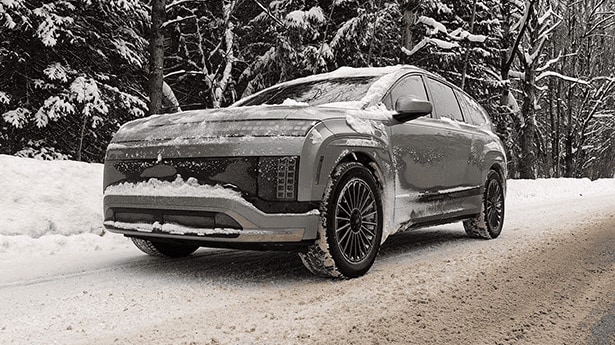
Preparing your Hyundai for an Ohio winter requires testing battery cold-cranking performance, checking coolant freeze protection, setting cold tire pressures, replacing worn wiper blades with winter-rated fluid, and inspecting brake hardware. Servicing these key systems before sub-freezing temperatures arrive prevents starting failures, maintains traction on snow or ice, and ensures maximum visibility during heavy lake-effect snowstorms.
Winterizing your vehicle is about preserving long-term component health and avoiding unexpected breakdowns on frozen roads. Freezing temperatures increase engine oil viscosity, place extra strain on starter motors, and drastically lower tire inflation pressure. Bringing your crossover or sedan in for a comprehensive pre-winter multi-point inspection ensures that every mechanical system meets manufacturer specifications before bad weather strikes.
When drivers drop off their vehicle before the first hard freeze, our technicians run a comprehensive battery conductance test and coolant hydrometer check to spot hidden weaknesses before cold weather turns them into expensive repairs. Sub-zero morning startups demand peak battery power and pristine electrical connections. Catching a declining battery cell or marginal coolant mixture early keeps your daily drive reliable throughout the coldest months of the year.
Addressing maintenance needs early fits seamlessly into a busy schedule, especially for families balancing daily school drop-offs and a morning commute on I-271 through Bedford. Routine preventative care keeps your vehicle operating smoothly and protects your investment under Hyundai’s 10-year, 100,000-mile warranty. To prepare your car for winter weather, visit our Bedford service facility or reach out by calling (440) 745-7476 to speak directly with an advisor.
What Vital Fluids and General Hyundai Maintenance Should You Schedule Before an Ohio Winter?
A pre-winter fluid check for a Hyundai must focus on testing engine coolant concentration, filling windshield washer fluid with a winter-rated de-icing formula, and changing the engine oil to the correct cold-weather viscosity. Clean, properly balanced fluids prevent internal engine freezing, safeguard vital metal components during cold starts, and keep safety systems functioning when slush covers the road.
Engine coolant does far more than keep your motor cool during summer heat; it prevents internal water passages from freezing and cracking when temperatures plummet. Technicians use a hydrometer to measure the concentration of ethylene glycol in the cooling system, verifying protection down to -34 degrees Fahrenheit. Using only Hyundai Genuine Parts and approved coolant formulations preserves internal water pump seals and prevents corrosion inside aluminum cylinder heads.
Fresh engine oil is another critical line of defense against winter wear. Cold weather causes motor oil to thicken, slowing down the time it takes for oil pressure to build upon startup. Fresh synthetic oil engineered to factory specifications flows rapidly across camshafts and crankshaft bearings, reducing metal-on-metal friction during frigid morning starts. Combining fresh oil with a new OEM oil filter removes suspended carbon particles and soot, keeping internal oil passages completely clear.
Brake systems also require targeted attention before snow and heavy road salt arrive. Moisture absorbed by aging brake fluid lowers its boiling point and can lead to internal hydraulic corrosion or sluggish pedal response in sub-freezing weather. Inspecting brake pads, rotors, caliper slide pins, and rubber brake lines ensures full stopping power on icy asphalt. You can order OEM maintenance supplies or replacement parts directly through our Hyundai parts center to keep your vehicle performing at factory standards.
What Battery Maintenance Keeps Your Hyundai Starting Reliably in Sub-Zero Ohio Weather?
Cold-weather battery maintenance requires testing voltage output under load, inspecting terminal posts for corrosion, and replacing any battery that shows diminished cranking capacity before freezing temperatures set in. Chemical reactions inside automotive batteries slow down significantly as ambient temperatures drop, cutting available starting power in half right when cold engine oil requires maximum effort to turn over.
A battery that starts your vehicle easily during summer heat can fail without warning during the first sudden overnight freeze. During a winter inspection, certified technicians test both static battery voltage and cold-cranking amperage (CCA) to evaluate internal cell health. Cleaning minor oxidation off terminal clamps and applying protective dielectric grease ensures maximum electrical current flows directly to the starter motor without resistance.
Sub-zero wind chills blowing off Lake Erie in Cleveland make dependable battery performance essential for drivers parked outdoors overnight. Modern Hyundai vehicles feature advanced safety electronics, touchscreen displays, heated seating, and driver-assist radar modules that rely heavily on a stable 12-volt electrical architecture. Replacing an aging battery before winter eliminates the risk of being stranded in a freezing parking lot with a car that will not turn over.
What Tire Pressure and Tread Services Are Needed for Ohio Winter Driving in a Hyundai?
Tire maintenance for winter driving requires maintaining cold inflation pressure according to the door-jamb label, inspecting tread depth to ensure a minimum of 4/32 inch of remaining rubber, and rotating tires every 8,000 miles. Proper tire pressure preserves maximum contact patch with the road, while adequate tread depth channels slush and standing water away from the tire footprint to prevent hydroplaning.
Ambient temperature changes directly alter pneumatic tire pressure, dropping approximately 1 PSI for every 10-degree decrease in outside air temperature. A sudden 30-degree drop between late autumn and early winter can cause tire pressures to fall by 3 to 4 PSI, illumination of the low tire pressure indicator, and uneven shoulder wear. Checking inflation when tires are cold—meaning the vehicle has been parked for at least three hours—ensures precise measurement against factory specifications.
Tread depth determines how effectively your tires bite into packed snow and shed freezing slush. While legal minimum tread limits sit at 2/32 inch, winter traction degrades rapidly once tread depth wears below 4/32 inch. Regular tire rotations spread acceleration and steering forces evenly across all four tires, helping to maximize total tread life and preserve predictable handling through sharp winter turns.
Aligning your wheels before winter arrives prevents uneven tread wear and keeps your vehicle tracking straight on slick road surfaces. Misaligned suspension angles force tires to scrub against the pavement, reducing directional stability and increasing stopping distances on snow. When you are ready to prepare your tires and suspension for winter road conditions, you can schedule your service online at a time that fits your day.
How Often Should Hyundai Windshield Wiper Blades and Defrost Systems Be Serviced for Winter?
Windshield wiper blades should be replaced every 6 to 12 months, or immediately before winter if the rubber edges show tearing, leave streak marks, or chatter across the glass. Pairing fresh wiper blades with a winter-grade windshield washer fluid formulated to resist freezing down to -20 degrees Fahrenheit prevents ice from forming on the windshield while driving through highway spray.
Cold weather turns hardened rubber wiper blades brittle, causing them to miss sections of the glass right when visibility is most critical. Installing winter-specific wiper blades featuring heavy-duty rubber boots prevents ice buildup inside the blade frame, ensuring uniform pressure across the entire sweep of the windshield. Inspecting the washer fluid reservoir and spraying washer fluid only after the windshield defroster has warmed the glass prevents fluid from flash-freezing across your field of view.
Heating and defrosting systems rely on proper airflow through the passenger cabin to clear fogged interior glass quickly. Replacing a clogged cabin air filter restores high heater blower volume and removes trapped dust, damp leaves, and mold spores that cause glass fogging. Ensuring rear window defroster grids and heated side mirror elements function properly completes your winter visibility preparation.
How Does Hyundai HTRAC All-Wheel Drive, Snow Mode, and Ground Clearance Perform on Snow and Ice?
Hyundai HTRAC All-Wheel Drive enhances winter traction by continuously monitoring road speed, wheel slip, and steering inputs to actively shift engine torque between front and rear axles. Paired with dedicated Snow Mode software and generous SUV ground clearance, this system delivers stable, predictable handling across unplowed streets and icy intersections.
The electronic control unit behind the AWD system analyzes traction conditions dozens of times per second. On dry pavement, power flows primarily to the front wheels to maximize fuel efficiency. The moment sensors detect slip at the front tires, hydraulic clutches inside the center coupling engage to send instant power to the rear wheels, stabilizing the vehicle before driver intervention is needed.
Vehicle drive modes further tailor powertrain response for low-traction environments:
- Snow Mode: Calibrates the transmission to start in higher gear ratios, dampens initial throttle sensitivity, and pre-engages rear-wheel torque to suppress wheel spin on packed snow.
- Normal Mode: Balances fuel economy and all-weather traction for daily mixed driving conditions.
- Sport Mode: Directs a higher percentage of torque to the rear axle for sharper cornering response on clear pavement.
Ground clearance plays an equally vital role when navigating deep winter snowdrifts. A family SUV like the Hyundai Santa Fe provides roughly 8 inches of ground clearance, enabling it to glide over deep snow accumulation without high-centering or packing wet slush into the engine bay. Maintaining transfer case fluid and rear differential fluid according to factory schedules keeps these high-performance all-wheel-drive components operating quietly and reliably through every winter storm.
Common Questions About Pre-Winter Hyundai Service and Maintenance
Q: How does cold weather affect the battery in a Hyundai?
Sub-freezing temperatures slow the internal chemical reactions of a car battery, cutting available electrical output while the engine requires significantly more power to turn over cold oil. Having certified technicians measure cold-cranking capacity before winter identifies weak battery cells before they cause a sudden starting failure on a cold morning.
Q: What is the ideal coolant protection level for an Ohio winter?
Engine coolant should maintain a 50/50 mixture of coolant concentrate and distilled water to provide freeze protection down to -34 degrees Fahrenheit. This specific concentration prevents ice expansion inside the radiator and engine block while providing essential anti-corrosion protection for internal aluminum cooling passages.
Q: Do hybrid Hyundai models require different pre-winter maintenance than gas models?
Hybrid vehicles require the same fundamental pre-winter care as gasoline models, including oil changes, battery testing, coolant inspections, and tire maintenance. However, hybrid brake pads often experience less friction wear due to regenerative braking, making a visual check for rust or slide-pin sticking on road-salted streets the primary brake service concern.
Q: Should tire pressure be adjusted higher than the door jamb label in winter?
Tire pressure should always be set to the exact recommended inflation cold PSI listed on the driver-side door-jamb sticker. You should check inflation frequently in winter because cold outside air causes tire pressure to drop by roughly 1 PSI for every 10-degree decrease in ambient temperature, but overinflating past factory specs reduces overall tire grip on snow.
Q: Is undercarriage washing necessary after driving on salted Ohio roads?
Rinsing your vehicle's undercarriage regularly during winter removes accumulated road salt, brine, and slush that cause metal oxidation over time. Cleaning suspension components, brake lines, and exhaust heat shields helps prevent rust formation and protects structural components throughout the salt season.


