
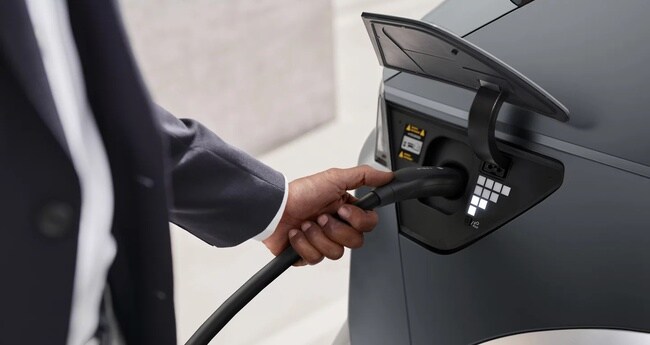
To optimize Hyundai IONIQ 5 battery performance in winter, activate battery preconditioning 20 to 40 minutes before arriving at a DC fast charger, keep the vehicle plugged into a Level 2 charger overnight, and utilize cabin heating efficiently through heated seats and Eco Mode. These active thermal management habits keep the high-voltage lithium-ion battery near its optimal 70°F operating temperature, preserving driving range and enabling maximum charging speed during freezing weather.
Winter weather presents unique thermal challenges for electric vehicles. Cold ambient temperatures increase internal battery resistance, slowing the chemical reactions necessary to store and release electrical energy. When driving on I-271 through Bedford during sub-freezing mornings, the IONIQ 5 battery system works harder to maintain proper temperature while simultaneously powering cabin heating.
Proper winter maintenance and smart daily driving routines help protect long-term battery health while preserving daily usability:
- Preconditioning prior to DC fast charging: Heating the high-voltage battery pack before plugging in ensures acceptance of high-power charging rates up to 350-kW fast charger capability.
- Overnight grid connection: Leaving your vehicle plugged into a 240-volt Level 2 charger allows the internal battery heater to draw power directly from the electrical grid rather than depleting stored battery reserves.
- Strategic climate settings: Relying on the heated steering wheel and heated front seats consumes significantly less energy than heating the entire cabin volume with ambient air.
- Routine service inspections: Ensuring high-voltage coolant levels are full and the 12V auxiliary battery is in peak condition prevents winter system faults.
Our certified technicians at Hyundai of Bedford understand the specific demands Northeast Ohio winters place on electric drivetrains. If you need assistance configuring your Bluelink+ app for remote winter pre-heating or want your battery health tested before freezing weather arrives, drop by our Bedford service center or give our team a quick call to schedule an EV health check.
How Much Driving Range Does the Hyundai IONIQ 5 Lose in Cold Weather?
The Hyundai IONIQ 5 typically experiences a range loss between 15% and 30% in freezing weather due to increased battery resistance and high energy draw from cabin climate systems. The exact reduction depends heavily on whether your vehicle is equipped with the energy-efficient heat pump or standard resistive heating, as well as ambient outside temperatures and driving speed.
Under standard testing conditions, rear-wheel-drive models equipped with the 84-kWh battery deliver an EPA-estimated range of up to 318 miles, while dual-motor all-wheel-drive configurations offer between 259 and 269 miles of range. However, during severe cold snaps influenced by Lake Erie wind chills in Cleveland, drivers should plan for a reduced driving buffer. Cold air is physically denser, increasing aerodynamic drag at highway speeds, while cold pavement increases tire rolling resistance.
Understanding how different trims handle thermal efficiency helps set realistic winter expectations:
- Dual-motor AWD models: Equipped standard with an integrated heat pump and battery heating system, capturing waste heat from electric motors to warm the cabin and reducing winter range loss to the lower end of the 15% to 30% band.
- Standard RWD models: Utilize conventional PTC resistive heating systems, which consume more energy from the battery pack to heat the cabin air during sub-freezing drives.
- Standard Range models: Feature a smaller 63-kWh battery pack delivering an EPA-estimated 245 miles of range, making winter thermal management even more critical for daily commuting routes.
Regular maintenance plays a direct role in minimizing efficiency loss. Maintaining proper tire inflation, replacing worn cabin air filters, and inspecting underbody protective shields ensure your EV encounters minimal resistance. You can order replacement wiper blades, all-weather floor liners, and Genuine Hyundai maintenance items through our Hyundai parts center to keep your crossover fully prepared for winter road conditions.
How Does IONIQ 5 Battery Preconditioning Work and How Do You Trigger It?
Hyundai IONIQ 5 battery preconditioning utilizes internal electrical heating elements to bring the high-voltage battery pack up to its ideal target temperature of approximately 70°F prior to fast charging. When the battery is warm, lithium ions move freely between internal electrodes, allowing the vehicle’s 800-volt architecture to accept peak charging speeds from 10% to 80% in roughly 20 minutes.
If you connect a cold-soaked EV battery directly to a DC fast charger without preconditioning, the vehicle’s management software deliberately throttles the charging rate to protect internal battery cells from lithium plating and permanent degradation. This cold-throttling can double or triple your time spent at the charging station.
Triggering battery preconditioning depends on your vehicle's model year:
- Automatic activation via factory navigation: Set a compatible DC fast charger as your active destination in the built-in 12.3-inch touchscreen navigation system. As you approach the charging station, the vehicle automatically initiates the battery heater when conditions are met.
- Manual toggle activation: On 2024 and newer models, drivers can manually activate battery preconditioning directly through the EV settings menu on the infotainment display without routing through native navigation.
For preconditioning to activate, the battery state of charge must remain above 20%. If battery power drops below 20%, the system automatically prioritizes remaining energy for vehicle propulsion to ensure you arrive safely at your destination.
How Much Power Does Preconditioning Consume and When Should It Start?
Battery preconditioning draws between 4 kW and 6 kW of electrical power from the high-voltage pack, consuming roughly 2% to 5% of total battery charge during a complete warm-up cycle. Spending a small amount of battery energy prior to arrival yields a massive return in charging speed and total trip time savings.
To achieve maximum charge acceptance upon arrival, preconditioning should ideally begin 20 to 40 minutes before reaching the fast charger. The exact time required depends on ambient outside temperatures and how long the vehicle has been cold-soaked:
- Mild cold (35°F to 45°F): Requires approximately 15 to 20 minutes of preconditioning to reach optimal cell temperatures.
- Severe freeze (below 32°F): Requires 30 to 40 minutes of active battery heating, particularly if the vehicle was parked outside overnight.
- Highway driving conditions: Preconditioning warms the pack faster while driving at highway speeds because normal motor operation generates supplementary ambient heat under the chassis.
Because preconditioning requires an energy trade-off, initiating the cycle at the right moment ensures you do not waste state of charge unnecessarily while making certain the pack is fully prepped when you plug in.
What Are the Best Vehicle Settings and Features to Maximize Winter Range?
Maximizing winter driving range in the IONIQ 5 requires adjusting climate controls, driving modes, and regenerative braking settings to reduce unnecessary high-voltage power draw. Small changes in daily vehicle settings yield substantial improvements in usable mile coverage.
Applying these recommended winter settings keeps energy consumption low without sacrificing cabin comfort:
- Set climate control to Eco Mode at 68°F: Selecting Eco Mode within the climate menu throttles heater power output, maintaining a comfortable temperature while using less battery energy.
- Utilize targeted surface heating: Turn on the heated seats and heated steering wheel immediately. Heating your body directly through contact surfaces requires a fraction of the electricity consumed by forced-air cabin heaters.
- Engage maximum regenerative braking or i-Pedal: Operating in i-Pedal mode maximizes kinetic energy recovery during deceleration, capturing energy that would otherwise be lost as heat through mechanical braking.
- Select Snow Mode on slippery surfaces: Snow Mode optimizes torque distribution across HTRAC All-Wheel Drive systems, smoothing acceleration inputs to prevent tire slip and conserve momentum.
- Pre-heat cabin while connected to Level 2 power: Schedule remote climate pre-heating via the Bluelink+ app while the vehicle is still plugged in at home, drawing warm-up energy from the grid rather than the battery pack.
Maintaining recommended tire pressures is equally vital during cold spells. Air pressure drops by roughly 1 PSI for every 10°F drop in outside temperature, so checking tire pressures monthly prevents high rolling resistance and premature tread wear.
Common Questions About IONIQ 5 Winter Battery Care and Charging
Q: Should you leave the IONIQ 5 plugged in overnight during extreme freeze events?
Leaving your IONIQ 5 plugged into a Level 2 charger during severe freezing weather allows the vehicle’s thermal management system to maintain minimal battery temperatures using grid electricity. This prevents the high-voltage battery from entering a cold-soaked state, protecting cell chemistry, preserving full available driving range, and ensuring immediate cabin heating performance when you start your drive.
Q: Does the Hyundai IONIQ 5 have a manual toggle for battery preconditioning?
Model year 2024 and newer Hyundai IONIQ 5 models include a manual battery preconditioning option inside the EV settings menu on the 12.3-inch touchscreen. For 2022 and 2023 models, battery preconditioning is engaged exclusively by setting a DC fast charger as your active destination within the native built-in navigation system.
Q: What is the minimum battery level required to activate preconditioning?
The IONIQ 5 requires a minimum high-voltage battery state of charge of 20% to initiate battery preconditioning. If the remaining charge drops below 20%, the vehicle management system disables battery heating to conserve remaining capacity for driving, ensuring you can reach the nearest charging station safely.
Q: How fast does the IONIQ 5 charge in winter when preconditioned?
When preconditioned to its ideal internal operating temperature around 70°F, the IONIQ 5 may be able to charge from 10% to 80% in about 20 minutes at a 350-kW fast charger or roughly 24 minutes at a 150-kW charger, depending on conditions. Without preconditioning, cold battery cell resistance can limit charge speeds significantly, extending your stop to 45 minutes or longer.
Q: How does Hyundai Roadside Assistance support EV drivers in cold weather?
Every new Hyundai includes 5 years of unlimited-mile roadside assistance, providing factory-backed support if extreme winter conditions deplete your battery unexpectedly. Coverage includes emergency towing to the nearest authorized Hyundai service center or public charging station, protecting you against unexpected breakdowns during severe winter storms.
Q: How often should the high-voltage battery coolant be serviced?
Hyundai recommends inspecting EV battery coolant levels at every routine maintenance interval (every 8,000 miles or 12 months) and replacing low-conductivity battery coolant according to the official service schedule. Maintaining fresh coolant ensures proper heat transfer during both extreme summer charging and winter battery preconditioning cycles. You can schedule a service appointment online with our factory-trained EV technicians to keep your cooling system in top condition.
Schedule Certified Hyundai EV Winter Maintenance in Bedford
Preparing your electric crossover for winter demands expert knowledge, specialized diagnostics, and genuine Hyundai factory components. At Hyundai of Bedford, our factory-trained technicians undergo rigorous EV certification to master high-voltage electrical systems, thermal cooling circuits, and battery management software updates.
A complete winter EV inspection at our service center covers all critical cold-weather components:
- High-voltage battery health diagnostic: Comprehensive scan testing of cell voltage balance and thermal heater operation.
- Low-conductivity coolant testing: Verification of battery coolant purity and fluid level to protect thermal regulation systems.
- 12V auxiliary battery load testing: Ensuring the 12V battery carries sufficient charge to power onboard computers and contactors in sub-zero weather.
- Brake system and chassis check: Inspecting regenerative brake components, fluid moisture levels, and suspension alignment for winter safety.
- Tire tread and pressure calibration: Verifying tread depth and cold inflation pressures for optimal winter traction.
Trust our experienced team to keep your electric vehicle running safely, efficiently, and reliably all winter long. Contact us at (440) 745-7476 or visit our Bedford dealership service department today to reserve your winter service appointment.
Prices and MSRP referenced in this article are estimates for informational purposes only and do not constitute an offer to sell. See dealer for complete details. Fuel economy estimates shown may differ from official EPA ratings and should not be relied upon as a guarantee of actual vehicle performance.


