
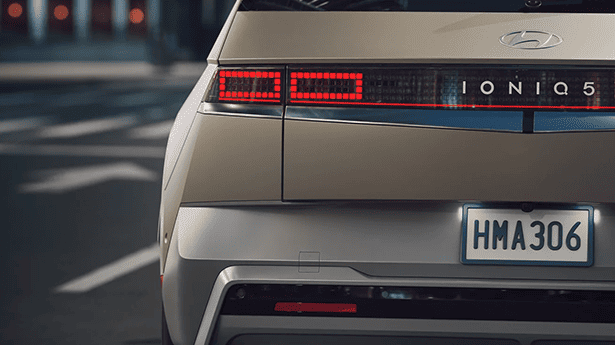
Maintaining the high-voltage battery in a vehicle like the 2026 Hyundai Ioniq 5 is less about complex mechanical repairs and more about consistent, healthy habits. Unlike traditional internal combustion engines that require frequent oil changes, an electric powertrain relies on thermal management and software calibration to stay efficient. Our service team emphasizes the "80/20 rule," which suggests keeping the battery charge between 20% and 80% for daily use. This practice minimizes the chemical stress on the lithium-ion cells, helping to preserve the 10-year / 100,000-mile Hybrid/EV Battery Warranty that protects your investment.
When you bring your vehicle to our facility, we perform a specialized multi-point inspection that includes a battery health report and a check of the cooling system. Electric vehicles use a specific type of low-conductivity coolant to regulate battery temperatures, which must be inspected for clarity and levels. If you notice any changes in your range while commuting on I-271 through Bedford, it may be time to book a maintenance check with our certified technicians. We also focus on tire care during these visits, as the instant torque and heavier weight of EV batteries can lead to faster tread wear if tires are not rotated every 5,000 to 7,500 miles. Reliability is a core pillar of the ownership experience, and following the factory-recommended maintenance schedule ensures that safety systems like blind spot detection and rear automatic braking remain fully functional.
Understanding Level 1 and Level 2 Home Charging Requirements
Transitioning to an electric vehicle ownership often starts in your own garage with the choice between standard wall outlets and dedicated charging stations. Every new Hyundai EV comes with a Level 1 charging cable that plugs into a standard 120-volt household outlet. While this is the most accessible method, it is also the slowest, adding roughly 3 to 5 miles of range per hour. While suitable for many daily driving needs, most owners prefer the faster charging speeds of a Level 2 system for added convenience.
For a more seamless ownership experience, we recommend the professional installation of a Level 2 charging station. These units operate on a 240-volt circuit—similar to what a large appliance like a clothes dryer requires—and can add about 25 to 40 miles of range per hour. A model like the 2026 Hyundai Ioniq 5 can typically reach a full charge in roughly 7 to 10 hours on a Level 2 system. If you are looking for high-quality charging hardware or replacement cables, our on-site parts department stocks genuine accessories designed to meet factory specifications for safety and durability.
Installing a Level 2 charger is not a DIY project; it requires a licensed electrician to perform a load calculation on your electrical panel. Older homes may need a panel upgrade to handle the 40 to 60 amps required for the fastest home charging speeds. Ensuring your home setup is code-compliant not only protects your property but also ensures the vehicle's onboard charger operates within its designed parameters, preventing unnecessary wear on the electrical components.
Optimizing Hyundai Fast-Charging Performance on Road Trips
How does the ultra-fast charging architecture in the 2026 Hyundai Ioniq 6 handle the demands of a cross-country trip? The answer lies in the 800-volt battery system, which allows these vehicles to accept power at much higher rates than many competitors. When connected to a 350-kW DC fast charger, an Ioniq 5 or Ioniq 6 can charge from 10% to 80% in about 18 minutes under ideal conditions. This capability turns a charging stop into a brief break rather than a long delay, making long-distance travel more practical for busy families.
To get the best performance at a public station, it is important to understand that charging speeds naturally slow down as the battery fills up. This is why most fast-charging estimates are quoted up to 80%; the final 20% is delivered much more slowly to protect the battery cells from heat damage. Owners should also familiarize themselves with the different connector types. Most current models use the CCS (Combined Charging System), but the brand is transitioning toward the NACS (North American Charging Standard) to provide broader access to public networks.
Public charging etiquette is also a factor for new owners to consider. It is best practice to move your vehicle as soon as the session is complete to avoid idle fees and clear the spot for the next driver. Many public networks offer smartphone apps that provide real-time data on stall availability and charging speeds. Monitoring these apps during your trip can help you identify high-output stations, ensuring you spend less time plugged in and more time on the road.
Managing Seasonal Charging Efficiency and Winter Range Loss in Ohio
Northeast Ohio winters present a specific set of challenges for electric vehicle range that our service team helps owners navigate every year. In sub-freezing temperatures, you may notice a range decrease between 15% and 30% due to the chemical properties of the battery and the energy required to heat the cabin. While cold weather can temporarily reduce range, features like battery preconditioning and efficient thermal management help Hyundai EVs remain practical year-round. Lithium-ion batteries are most efficient in moderate temperatures, and extreme cold increases internal resistance, which can slow down charging speeds at both home and public stations.
One of the most effective ways to combat winter range loss is to use the cabin preconditioning feature through the Bluelink app. By starting the climate control while the vehicle is still plugged into your home charger, you use electricity from the grid to warm the interior and the battery pack, preserving the energy stored in the battery for driving. Additionally, using heated seats and a heated steering wheel is often more energy-efficient than running the cabin heater at full blast, as it provides direct warmth to the passengers with less draw on the main battery.
Maintenance also plays a role in winter efficiency. Cold air causes tire pressure to drop, and under-inflated tires create more rolling resistance, which further saps your range. We recommend checking your tire pressure frequently during the winter months and considering a set of snow-rated tires for better traction on slushy roads. Keeping the undercarriage clean is also vital locally, as road salt can accumulate around the battery housing and electrical connectors. Regular washes help prevent corrosion and keep the thermal management sensors clear of debris.
The Role of Battery Preconditioning and Software Updates in Service
Software is the backbone of modern thermal management, ensuring your battery stays at the ideal temperature for both performance and longevity. Battery preconditioning is a sophisticated feature that prepares the battery for fast charging by warming it up while you are en route to a station. When you use the onboard navigation to select a DC fast charger as your destination, the vehicle automatically begins adjusting the battery temperature so it can accept the maximum possible charge rate the moment you plug in.
Our service department also handles critical Over-the-Air (OTA) and manual software updates that can improve charging logic and overall vehicle efficiency. These updates often include refinements to the regenerative braking system or enhancements to the user-friendly touchscreen interface. While some updates happen automatically, others require a secure connection at our facility to ensure the vehicle's modules are correctly calibrated. Staying current with these updates is a key part of maintaining the high-tech systems that make the 2026 Hyundai Kona Electric so reliable.
During a routine service visit, we also check for any technical service bulletins related to the charging hardware or battery management software. If a sensor is misreading or a cooling fan is not operating at the correct speed, it can lead to reduced charging efficiency or even a "check electric vehicle system" warning light. By addressing these software and sensor issues early, we help prevent more significant repairs down the line and keep your vehicle running as efficiently as the day you drove it home.
Quick Answers for First-Time Hyundai Electric Vehicle Owners
Q: How often should I use DC fast charging versus home charging?
Home charging on a Level 2 AC station is recommended for daily use because it generates less heat and is gentler on the battery cells. We suggest reserving DC fast charging for road trips or occasional situations where you need a rapid top-off, as frequent high-power charging can accelerate battery wear over several years.
Q: Does the battery warranty cover a decrease in total range?
The 10-year / 100,000-mile Hybrid/EV Battery Warranty specifically protects against defects and significant capacity loss. Hyundai guarantees that the battery will not degrade more than 70 percent of its original capacity during the warranty period. If the battery capacity falls below this threshold, the warranty covers the necessary repairs or replacement.
Q: Can I use a standard extension cord if my charging cable doesn't reach the outlet?
We strongly advise against using standard household extension cords for EV charging. The continuous high electrical load can cause standard cords to overheat, posing a fire risk. If your reach is limited, it is safer to have a licensed electrician install a new outlet closer to your parking spot or invest in a longer, factory-approved charging cable.
Q: What happens if I run out of battery charge on the road?
Every new vehicle includes 5-year / unlimited miles 24-hour roadside assistance, which provides support if you are stranded with a depleted battery. In many cases, the service includes towing your vehicle to the nearest authorized charging station or back to our service center to ensure the system is properly rebooted and charged.
Q: Do I need to perform any special maintenance on the charging port?
The charging port is designed to be weather-resistant, but you should keep it clear of snow, ice, and debris. Periodically inspect the port for any bent pins or signs of moisture buildup. If the charging door becomes difficult to open or the connector doesn't seat firmly, our technicians can inspect the locking mechanism and clean the contacts using approved electrical cleaners.
Prices and MSRP referenced in this article are estimates for informational purposes only and do not constitute an offer to sell. See dealer for complete details. Fuel economy estimates shown may differ from official EPA ratings and should not be relied upon as a guarantee of actual vehicle performance.


