
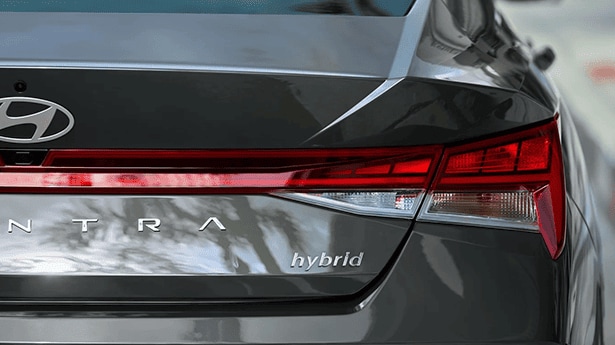
The daily shuffle along I-271 near Rockside Rd often forces a choice between the immediate power of a traditional engine and the long-term savings of a hybrid. For many families in Bedford, the decision depends on how much time is spent idling in heavy traffic versus cruising at highway speeds. A gasoline model like the 2026 Hyundai Sonata offers a familiar driving experience with a 2.5L I4 engine, providing a reliable baseline for those who prefer a traditional mechanical feel. However, the stop-and-go nature of local congestion often makes a strong case for the hybrid lineup, where electric motors can handle low-speed crawling without consuming fuel.
Our team at Hyundai of Bedford understands that your vehicle needs to be a sanctuary during a long day. Browsing our new-vehicle inventory is a great way to see how the latest hybrid and gas configurations compare in person. Whether you are looking for a fuel-sipping sedan or a versatile SUV, we prioritize transparency in our pricing and a down-to-earth approach to every conversation.
Choosing the right powertrain also involves considering how you use your vehicle on the weekends. While a gas-only SUV might offer a slightly lower entry price, the hybrid variants often include more standard technology and comfort features that add value over the life of the vehicle. If you want to see these models side-by-side, we make it easy to compare the driving dynamics of both systems so you can feel confident in your purchase.
Fuel Efficiency and Real-World Savings on the Daily Drive to Cleveland
The 2026 Elantra Hybrid Blue delivers 51 city / 58 hwy MPG, a figure that fundamentally changes the monthly budget for anyone driving into Cleveland five days a week. When you calculate the fuel savings over a typical 15,000-mile year, the hybrid powertrain often pays for its initial price premium within the first few years of ownership. This efficiency is particularly noticeable during the morning rush when the hybrid system can operate in electric-only mode during slow-moving traffic on the Shoreway. In contrast, a gas-only model like the Sonata SE achieves 28 city / 38 hwy MPG, which remains competitive but requires more frequent stops at the pump.
Engine & Performance
| Feature | Standard across all trims |
|---|---|
| Engine | 1.6L GDI 4-cylinder hybrid powertrain |
| Horsepower | 139 hp |
| Torque | 195 lb.-ft. of combined torque |
| Transmission | 6-speed EcoShift® Dual Clutch Transmission |
| Drivetrain | Front Wheel Drive (FWD) |
Fuel Economy
EPA-estimated fuel economy ratings
| Feature | Blue | SEL Sport | Limited |
|---|---|---|---|
| City MPG | 51 mpg | 49 mpg | 49 mpg |
| Highway MPG | 58 mpg | 52 mpg | 52 mpg |
| Combined MPG | 54 mpg | 50 mpg | 50 mpg |
Standard across all trims: Fuel Type Regular unleaded
Best combined fuel economy: Blue at 54 mpg
Real-world savings extend beyond just the fuel tank. Because hybrid vehicles use regenerative braking to slow the vehicle down, the mechanical brake components often experience less wear than those on a traditional gasoline car. This can lead to a lower cost of ownership over time, a factor that resonates with budget-conscious buyers who value long-term reliability. The transition between the gasoline engine and the electric motor in modern Hyundai hybrids is engineered to be nearly imperceptible, ensuring that your high-efficiency commute does not come at the cost of refinement or smoothness.
For commuters who prioritize a larger vehicle, the 2026 Tucson Hybrid provides up to 38 MPG highway/38 MPG combined in its Blue SE trim. This level of efficiency in an SUV allows families to enjoy the extra cargo space and elevated seating position without the fuel penalty typically associated with larger vehicles. When comparing this to the standard gasoline Tucson, which typically sees about 28 combined MPG, the hybrid version offers a significant advantage for those covering long distances across Northeast Ohio.
All-Weather Performance: Comparing HTRAC AWD and Powertrain Dynamics
One of the first things we show buyers is how the HTRAC All Wheel Drive system in the 2026 Tucson Hybrid manages power delivery during a Lake Erie snow squall. Unlike some older hybrid systems that used separate electric motors for the rear wheels, the Tucson Hybrid utilizes a mechanical connection that allows for precise torque distribution between the front and rear axles. This setup provides the same confident traction found in gas-only models, ensuring you can navigate slushy side streets or icy highway ramps with ease. The hybrid system actually enhances performance in some scenarios, as the electric motor provides immediate torque that helps the vehicle move from a standstill more effectively in deep snow.
The 2026 Elantra Hybrid features a 1.6L GDI 4-cylinder hybrid powertrain that produces 139 hp and 195 lb.-ft. of combined torque. This power is routed through a 6-speed EcoShift® Dual Clutch Transmission, which provides a much more natural and engaging driving feel than the continuously variable transmissions found in many competitors. Even though these hybrid models are Front Wheel Drive (FWD), the low-end torque from the electric motor helps them feel punchy and responsive when merging into fast-moving traffic. The dual-clutch transmission ensures that gear changes are crisp, making the hybrid just as fun to drive as its gasoline counterparts.
Families test-driving the Tucson Hybrid usually ask about how the regenerative braking feels before they ask about the infotainment screen. In the latest Hyundai models, this system is adjustable, allowing you to customize how much the vehicle slows down when you lift off the accelerator. Whether you choose the gas or hybrid version, the focus remains on a stable, comfortable ride that can handle the varied road conditions we experience throughout the year.
Cabin Comfort and Cargo Space: Evaluating the Tucson Hybrid and Sonata Lineups
Cargo flexibility often dictates which model a family chooses, especially when balancing the about 39 cu.ft. of space in a Tucson Hybrid against the sleek profile of a sedan. A common concern for hybrid shoppers is whether the battery pack eats into the passenger or storage areas. In the Tucson Hybrid, the battery is cleverly packaged under the rear seats, which means you get the same generous cargo volume and legroom as the gasoline version. This makes it an ideal choice for hauling sports gear, groceries, or luggage for a weekend getaway without compromise.
Dimensions & Capacity
Standard across all trims:
| Feature | Included |
|---|---|
| Seating Capacity | 5 |
| Cargo Volume | 14.2 cu.ft. |
| Length | 185.4 in. |
| Width | 71.9 in. (without mirrors) |
| Height | 55.7 in. |
The 2026 Sonata offers a refined interior with about 16 cubic feet of trunk space, which is ample for a midsize sedan. Inside the cabin, the layout is modern and user-friendly, featuring an available panoramic glass sunroof on the Hybrid SEL trim that makes the space feel open and airy. Both the gas and hybrid models prioritize high-quality materials and intuitive controls, ensuring that your time behind the wheel is as comfortable as possible. For those who spend hours each week in their vehicle, the supportive seating and quiet cabin of the Sonata provide a premium feel that rivals more expensive luxury brands.
Smart Technology and Safety Features for Long Commutes from Euclid
Commuters traveling from Euclid frequently prioritize driver-assist technologies that reduce the stress of heavy traffic on the Shoreway. The 2026 Hyundai lineup comes standard with a suite of safety features designed to act as an extra set of eyes on the road. Systems like Forward Collision-Avoidance Assist (FCA) with pedestrian detection and Blind-Spot Collision-Avoidance Assist are standard on most trims, providing peace of mind during lane changes and busy intersections. The 2026 Tucson Hybrid even earned the IIHS Top Safety Pick+ designation, reflecting its high level of crash protection and advanced safety tech.
Safety & Driver Assistance
Safety ratings and driver assistance systems
| Feature | Blue | SEL Sport | Limited |
|---|---|---|---|
| IIHS Rating | TOP SAFETY PICK | TOP SAFETY PICK | TOP SAFETY PICK |
Standard across all trims:
| Feature |
|---|
| Moderate overlap front (updated test): Good |
| Side (updated test): Good |
| Roof strength: Good (listed on IIHS page) |
| Head restraints/head restraint geometry: Good (listed on IIHS page) |
| Front crash prevention: pedestrian (Forward Collision-Avoidance Assist) |
| Headlights |
| Standard blind spot detection |
| Standard lane departure warning & prevention |
| Standard rear automatic braking |
| Seat belt reminders |
Technology in the cabin is focused on being user-friendly rather than overwhelming. The available 12.3-inch touchscreen infotainment system connects seamlessly to your smartphone via wireless Apple CarPlay or Android Auto, allowing you to access navigation and music without fumbling with cables. For long-distance drivers, the available Highway Driving Assist helps maintain a set distance from the vehicle ahead and keeps you centered in your lane, significantly reducing fatigue during extended highway stretches. These systems are designed to be intuitive, with clear alerts and easy-to-reach controls that keep your focus on the road.
Safety also includes the confidence of knowing help is available if the unexpected happens. Every new Hyundai is backed by a comprehensive assistance program, and you can reach Hyundai Roadside Assistance: 800-243-7766 for help with flat tires, lockouts, or towing to an authorized dealer. This manufacturer-backed service ensures that you are never truly alone on the road, providing a level of security that is especially valuable for families and solo commuters. By combining advanced sensors with a strong support network, Hyundai helps you drive with confidence every mile of the way.
Quick Answers for Hyundai Shoppers
Q: Does the Hyundai hybrid battery lose significant range in freezing temperatures?
While all batteries experience some efficiency loss in cold weather, local owners typically see a range decrease of between 15% and 30% on the coldest days. Hyundai's liquid-cooled lithium-ion polymer batteries are designed to maintain performance, and the vehicle will utilize the gasoline engine more frequently to maintain cabin heat and battery temperature.
Q: Is the HTRAC AWD system different between gas and hybrid models?
The HTRAC system in the Tucson Hybrid uses a mechanical driveshaft to provide power to the rear wheels, just like the gasoline version. This ensures consistent, predictable traction in snow and ice, which is a major advantage over some competitor hybrids that use a small electric-only motor for the rear axle.
Q: Do I need to install a special charger at home for a standard Hyundai hybrid?
No, a standard hybrid like the Elantra Hybrid or Tucson Hybrid does not need to be plugged in. The battery is automatically recharged through regenerative braking and by the gasoline engine while you drive. You can simply fill it up with regular gasoline at any local station.
Q: Are winter tires more important for the hybrid or gas model?
Winter tires provide a significant safety benefit for both models by improving braking and cornering on ice and packed snow. While AWD helps you get moving, the specialized rubber compound of a winter tire is what helps you stop and turn in freezing conditions, regardless of your powertrain.
Prices and MSRP referenced in this article are estimates for informational purposes only and do not constitute an offer to sell. See dealer for complete details. Fuel economy estimates shown may differ from official EPA ratings and should not be relied upon as a guarantee of actual vehicle performance.


